Moving more with less
Examine the energy budget of urban and regional transport: when a single commuter travels 15 kilometres in a 2,300 kg electric SUV, roughly 96% of the mechanical work at the wheels goes toward accelerating and overcoming rolling and aerodynamic resistance of the vehicle structure itself, while only 4% moves the human occupant.
In Scandinavian cities and industrial corridors, emerging mobility is therefore evaluated through three engineering lenses: reducing embodied manufacturing emissions per tonne of steel and aluminium, electrifying high-gross-weight commercial freight where fuel consumption is concentrated, and shifting urban trips to right-sized micro-vehicles, modular buses, and low-wake electric vessels.
Electrifying 64-tonne Nordic timber and logistics corridors
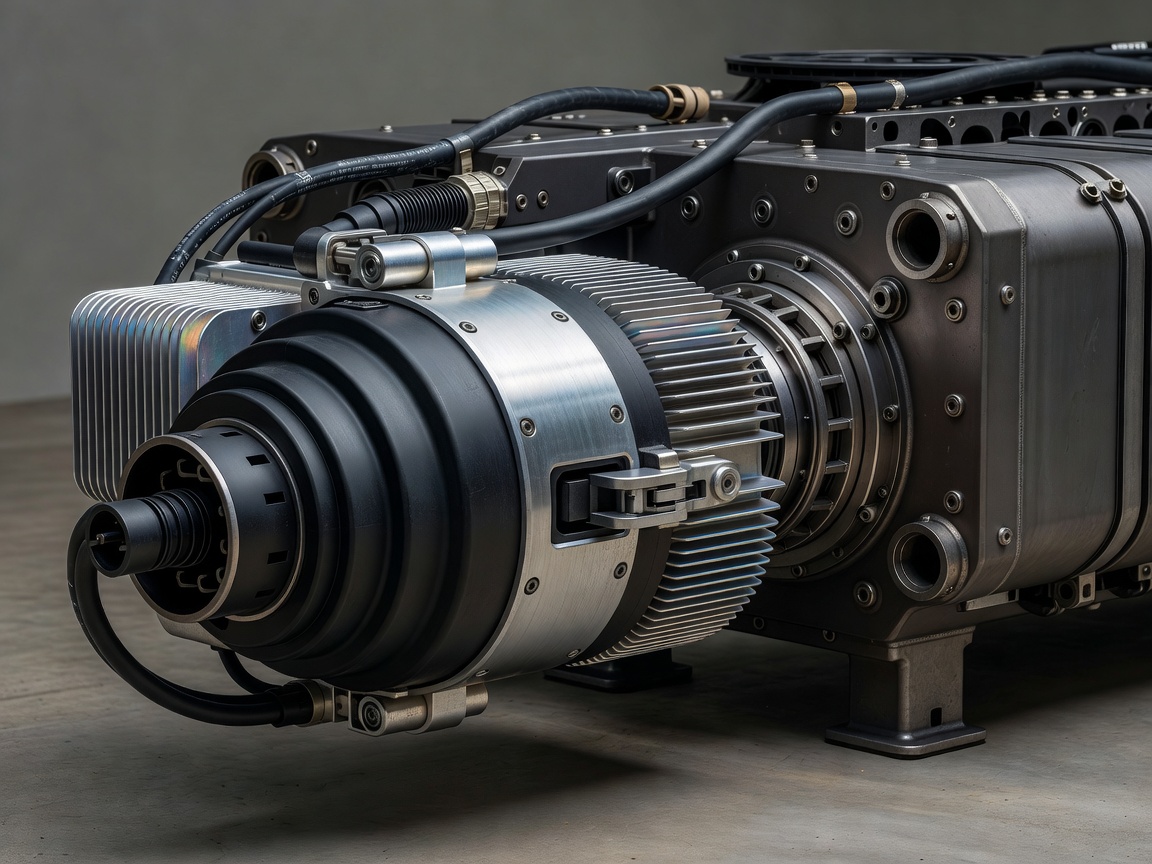
Sweden and Finland permit high-capacity transport (HCT) combinations reaching 64 to 74 tonnes Gross Combination Weight (GCW) to haul forestry timber, iron ore, and grocery freight efficiently across long distances. Electrifying these tractors—a core focus of Scania in Södertälje and Volvo Trucks in Gothenburg—confronts a strict mass-and-packaging constraint.
Fitting a 600 to 624 kWh lithium-ion battery pack onto a heavy tractor chassis adds roughly 3,000 to 3,500 kg of battery mass, directly eating into revenue payload unless compensated by European Union zero-emission axle weight allowances. Rather than carrying oversized batteries for 1,000 km non-stop runs, Nordic logistics operators pair 400 km usable battery range with mandatory 45-minute EU driver rest breaks. During that 45-minute window, the Megawatt Charging System (MCS, standardized under IEC TS 63379 for up to 1,250 V and 3,000 A) can replenish 350 to 450 kWh of energy at distribution hubs and highway rest stops.
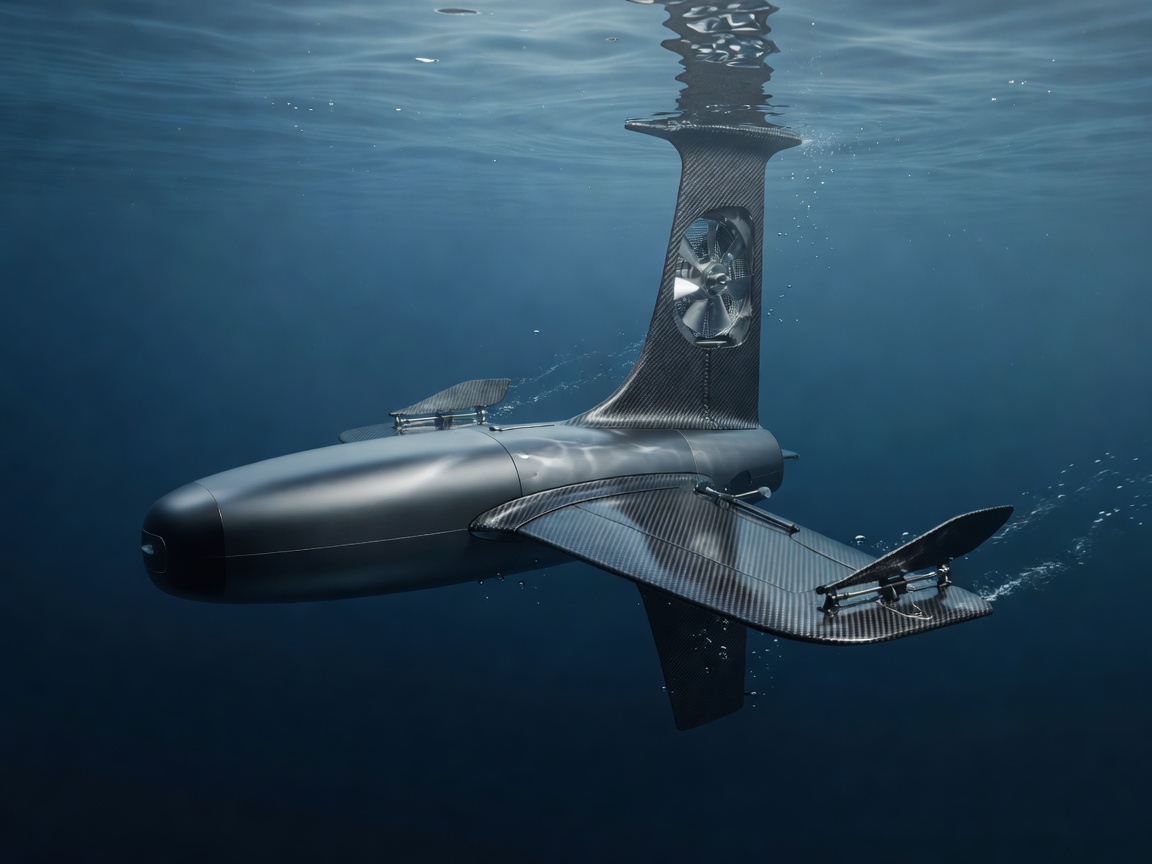
Where routes cross urban centres or archipelago waterways, modal shift multiplies energy efficiency further. In Stockholm’s public transit network (SL), the Candela P-12 electric ferry uses computer-stabilized carbon-fibre hydrofoils to lift its hull above the water at 16 knots, cutting hydrodynamic drag by up to 80% compared with conventional displacement hulls and eliminating shoreline-eroding wakes.
Fossil-free steel (HYBRIT) and cradle-to-gate transparency
As tailpipe emissions drop to zero on Nordic hydro-powered grids, the "cradle-to-gate" manufacturing phase—mining, refining, smelting, and cell formation—rises to represent 40% to 60% of a vehicle’s total lifetime greenhouse gas footprint. Conventional blast furnaces reduce iron ore ($Fe_2O_3$) using coking coal, emitting roughly 1.9 to 2.2 tonnes of $CO_2$ per tonne of crude steel produced.
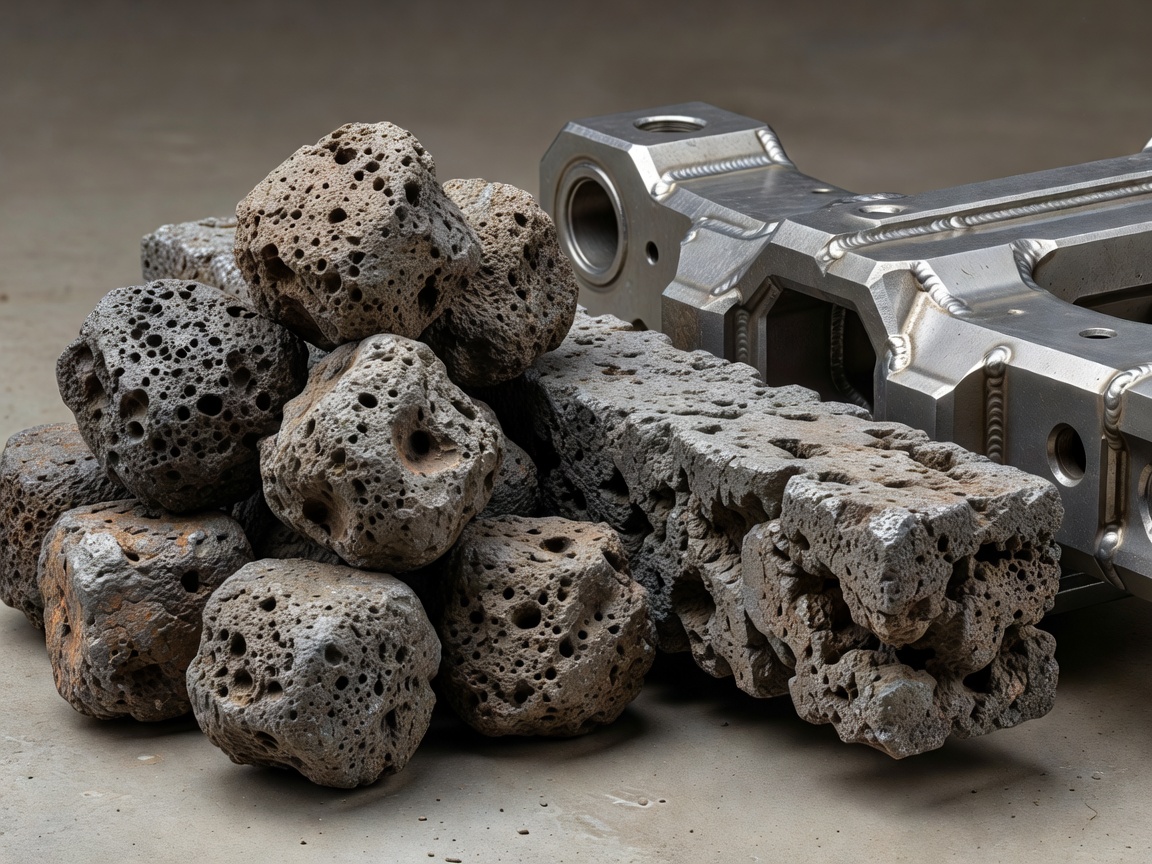
In northern Sweden, the HYBRIT initiative (a joint venture by steelmaker SSAB, iron-ore miner LKAB, and energy utility Vattenfall) replaces coking coal with green hydrogen electrolyzed using fossil-free electricity. The chemical reaction ($Fe_2O_3 + 3H_2 \rightarrow 2Fe + 3H_2O$) yields direct-reduced sponge iron whose primary byproduct is water vapour ($H_2O$) rather than carbon dioxide. Volvo Group began integrating SSAB fossil-free steel into commercial vehicles and structural frame rails in 2021–2026 production runs.
Similarly, primary aluminium smelting via the Hall-Héroult process is highly electricity-intensive. Sourcing aluminium smelted with Nordic hydropower (such as Norsk Hydro’s Reduxa low-carbon aluminium certified below 4.0 kg $CO_2$ per kg of aluminium, compared to a global coal-smelted average above 16 kg) and publishing audited ISO 14040/14044 Lifecycle Assessments (LCAs) for every model variant allows fleet buyers to compare verified tonnes of $CO_2\text{eq}$ rather than unsubstantiated "carbon-neutral" marketing slogans.
Comparing energy intensity and embodied carbon across modes
| Transport Mode / Material Process | Typical Energy or Carbon Intensity | Key Engineering Constraint | Nordic Deployment Context |
|---|---|---|---|
| Heavy Electric Timber/Freight Truck (64 t) | ~1.1 – 1.4 kWh/km (summer) to 1.7 kWh/km (winter) | 3.2 t battery mass vs. legal axle load; requires MCS >750 kW charging | Scania & Volvo regional forestry and E4 logistics corridors |
| Hydrofoiling Electric Transit Ferry | ~0.10 kWh per passenger-km at 25 knots | 100 Hz flight controller adjusting foil angle of attack in chop and brash ice | Stockholm archipelago commuter routes (Ekerö – Klara Mälarstrand) |
| Hydrogen-Reduced Steel (HYBRIT / SSAB) | < 0.05 t $CO_2$ / tonne steel (direct scope 1) vs. ~2.0 t blast furnace | Requires abundant fossil-free electricity for water electrolysis & electric arc furnace | Luleå / Gällivare pilot & commercial automotive frame stampings |
| Hydro-Smelted & Post-Consumer Aluminium | < 4.0 kg $CO_2$/kg (primary hydro) or ~0.5 kg $CO_2$/kg (recycled scrap) | Alloy sorting to prevent iron/copper contamination in crash-critical extrusions | Sunndal & Husnes smelters (Norsk Hydro) supplying European body plants |